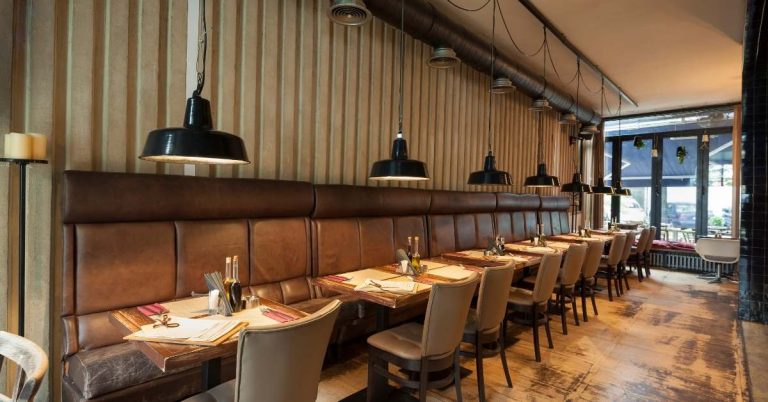
In the restaurant industry, every element of the physical environment contributes to operational efficiency, customer experience, and overall safety. One of the most important, yet often overlooked, components of a restaurant’s infrastructure is its door system. Commercial doors for restaurants must handle constant foot traffic, maintain sanitary conditions, support workflow between kitchen and dining spaces, and enhance the building’s aesthetic appeal. The right door setup allows restaurants to remain secure, energy-efficient, and compliant with safety standards.
This content provides a comprehensive guide to commercial restaurant doors, including key types, material considerations, safety compliance, installation factors, and long-term maintenance.
Why Door Selection Matters in Restaurants
Restaurants are high-traffic environments with varied access needs. There are different zones within a restaurant, and each zone requires a specific type of door that supports both functionality and hygiene. From the dining room to the kitchen, storage area, restrooms, emergency exits, and delivery entrances, each door plays a role in:
- Controlling temperature and humidity
- Maintaining sanitation and preventing contamination
- Ensuring smooth staff movement
- Enhancing customer comfort and privacy
- Maintaining fire safety and emergency access
- Securing the building from unauthorized entry
- Reducing noise transmission between spaces
Restaurant workflows are continuous and time-sensitive. Door systems must therefore be durable, reliable, and purpose-built.
Common Types of Commercial Restaurant Doors
Different door types are used across restaurant layouts depending on functionality. The most common categories include:
| Door Type | Location | Purpose | Key Features |
|---|---|---|---|
| Swinging Traffic Doors | Between kitchen and dining area | Fast staff movement; hands-free access | Double-swing hinges, impact resistance |
| Walk-in Cooler and Freezer Doors | Refrigeration units | Maintain temperature and food storage safety | Thick insulation, tight sealing |
| Fire-Rated Metal Doors | Back exits, corridors | Fire protection and safety compliance | Steel construction, certified fire rating |
| Glass Entry Doors | Main entrance | Customer entry and visibility | Tempered glass, aesthetic finish |
| Solid-Core Restroom Doors | Restroom access | Privacy and hygiene | Sound insulation, easy cleaning |
| Roll-Up Service Doors | Outdoor food counters or delivery bays | Space-saving access to service areas | Compact, secure, easy to operate |
Each door type is designed for specific environments and must be selected according to usage requirements.
Material Options for Restaurant Door Systems
The choice of door material affects longevity, hygiene, and fire resistance. Common options include:
- Steel Doors
Known for strength and durability, ideal for high-security or back-of-house access points. - Aluminum Doors
Lightweight and corrosion-resistant, often used for front entrances or external service windows. - Tempered or Laminated Glass Doors
Used at the main entry to create a welcoming look while ensuring visibility and light flow. - Fiberglass Reinforced Plastic (FRP) Doors
Resistant to moisture, chemicals, and stains. Ideal for kitchens and dishwashing zones. - PVC Traffic Doors
Flexible and impact-resistant, suitable for fast-paced kitchen environments where hands-free operation is necessary.
The right material ensures that the door can withstand the restaurant’s environment, whether exposed to heat, grease, moisture, noise, or heavy foot traffic.
Key Performance Features to Consider
Restaurant doors must serve multiple performance needs simultaneously. Important features include:
1. Durability
Doors in restaurants are used constantly. Materials must resist dents, scratches, moisture damage, and heat exposure.
2. Hygiene and Cleanability
Surfaces should be easy to wipe and should not harbor bacteria or moisture. Rounded edges and smooth finishes are ideal.

3. Temperature Control
Refrigerated storage doors must seal tightly to maintain safe food temperatures and reduce energy loss.
4. Fire Safety Compliance
Fire-rated doors are essential for safety corridors and exits. These must meet local building codes.
5. Noise Control
Doors should help control noise between kitchen and dining spaces to maintain a pleasant dining environment.
6. Aesthetic Design
The main entrance door influences customer perception and should align with the restaurant’s branding.
Installation Considerations
Proper installation ensures the door functions safely and efficiently. Key factors include:
- Correct measurements to ensure proper sealing and swing clearance.
- Hardware selection such as hinges, closers, handle types, and access systems.
- Accessibility compliance to accommodate all guests, including those with disabilities.
- Traffic flow planning to prevent collisions in high movement spaces.
- Fire evacuation planning to ensure emergency exits remain accessible.
Professional installation is essential, especially for doors requiring fire rating certification, temperature insulation, or automated opening.
Maintenance for Long-Term Performance
Regular maintenance helps preserve performance and reduce replacement costs. Recommended practices include:
- Cleaning door surfaces regularly to maintain hygiene
- Lubricating hinges and mechanical components
- Inspecting seals and gaskets on cooler/freezer doors
- Checking alignment and swing clearance periodically
- Replacing worn or damaged hardware promptly
- Testing fire doors to ensure certification compliance
- Verifying automatic closers function correctly
Restaurants benefit from scheduled door maintenance as part of facility management routines.
When to Consider Replacing a Restaurant Door
Replacement should be considered if:
- The door is visibly damaged or corroded
- Temperature-controlled doors fail to seal properly
- Fire-rated labels are missing or expired
- The door no longer aligns with accessibility standards
- Customer-facing areas require updated design or branding
- Excessive noise escapes from the kitchen to the dining space
Replacing outdated or damaged doors improves safety, comfort, and operational efficiency.
Conclusion
Commercial doors are a vital part of a restaurant’s daily function. They influence safety, hygiene, workflow efficiency, and overall customer impression. Choosing the correct door type, material, and installation approach ensures the restaurant operates smoothly and maintains compliance with industry standards.
For selecting, installing, or upgrading commercial doors for restaurants, working with a professional service provider ensures proper configuration, long-term durability, and performance reliability.
The right door solution is not simply an architectural choice—it is an operational investment that supports staff, protects guests, and enhances the dining experience.