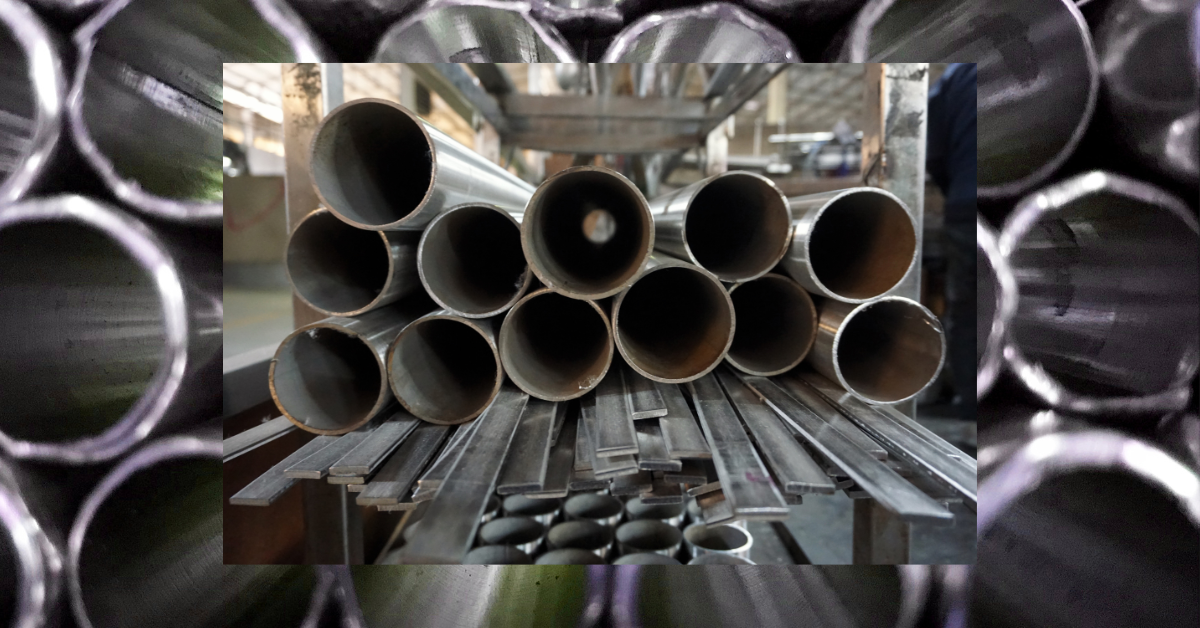

In the world of automotive engineering, a vehicle’s exhaust system is more than just a pathway for gases — it’s a finely tuned channel that impacts power, efficiency, and sound. The quality and type of exhaust materials used determine how well your system performs, how long it lasts, and how it handles the brutal combination of heat, vibration, and corrosion.
For professional builders, tuners, and enthusiasts who demand quality, reliability, and precision, explore Exhaust Materials engineered to deliver high performance across every component — from tubing and bends to V bands and flanges.
Why Exhaust Materials Matter
The exhaust system faces extreme conditions: high heat, constant vibration, and exposure to corrosive gases. Choosing the right materials is essential to ensure long-term durability and peak engine performance.
Core Roles of Exhaust Materials
- Heat Management: Must withstand continuous exposure to temperatures exceeding 800°C.
- Corrosion Resistance: Prevents rust and oxidation from moisture, salt, and exhaust gases.
- Flow Efficiency: Smooth internal surfaces reduce backpressure and improve engine breathing.
- Structural Integrity: Handles vibration, thermal expansion, and pressure without cracking.
- Weight Control: Impacts handling, fuel economy, and overall system balance.
Types of Exhaust Materials Commonly Used
| Material | Description | Ideal Application |
|---|---|---|
| Stainless Steel (304/321/409) | Highly durable, corrosion-resistant, and heat-tolerant | Performance and racing exhausts |
| Aluminized Steel | Steel coated with aluminum-silicon alloy | Budget-friendly street systems |
| Mild Steel | Affordable and easy to work with, but prone to rust | Short-term or budget builds |
| Titanium | Extremely lightweight, excellent strength | Motorsport and high-end builds |
| Aluminum (for cold-side use) | Lightweight, corrosion-resistant | Intake or low-heat sections |
Each material serves a unique role depending on the intended performance level, budget, and environmental conditions.
Stainless Steel: The Industry Standard
Among all exhaust materials, stainless steel is the most popular choice for performance applications. It provides the perfect combination of strength, corrosion resistance, and aesthetic appeal.
Common Grades:
- 304 Stainless Steel: Most versatile and widely used. Excellent for custom exhausts and cat-backs.
- 321 Stainless Steel: Ideal for turbo manifolds and downpipes — resists cracking under extreme heat.
- 409 Stainless Steel: More economical, used in OEM systems, slightly less corrosion resistant.
Key Advantages:
- Handles continuous high temperatures.
- Resists rust and moisture damage.
- Maintains structural integrity over years of use.
For professional-quality builds, explore Stainless Exhaust Materials — including bends, tubing, and V bands designed for precision fabrication.
Aluminum: Lightweight and Efficient
Aluminum plays a crucial role in exhaust and intake fabrication where heat levels are moderate but weight reduction is a priority.
Benefits:
- Extremely lightweight (⅓ the density of steel).
- Corrosion-resistant — ideal for marine or off-road use.
- Easy to cut, bend, and weld.
- Excellent for intercooler pipes and intake systems.
To source professional-grade aluminum components, check out Aluminum Materials that offer tubing, bends, and V bands built for strength and precision.
Titanium: The Premium Option
Titanium exhausts are the ultimate choice for performance and racing enthusiasts. While expensive, they offer unbeatable advantages:
- Ultra-lightweight (around 45% lighter than stainless).
- Incredible heat tolerance.
- Distinctive blue heat coloration.
- High strength and corrosion resistance.
However, titanium requires expert welding techniques and is not as cost-effective for everyday builds.

Comparative Table: Popular Exhaust Materials
| Property | Stainless Steel | Aluminum | Mild Steel | Titanium |
|---|---|---|---|---|
| Heat Resistance | Excellent | Moderate | Good | Excellent |
| Corrosion Resistance | Excellent | Excellent | Poor | Excellent |
| Weight | Medium | Very Light | Heavy | Very Light |
| Cost | Moderate | Moderate | Low | High |
| Durability | High | Moderate | Low | Very High |
| Fabrication Difficulty | Moderate | Easy | Easy | Difficult |
Choosing the right balance between performance, cost, and longevity helps determine which material suits your build best.
Exhaust System Components Made from High-Quality Materials
| Component | Material | Purpose |
|---|---|---|
| Headers/Manifolds | Stainless or Titanium | Collect exhaust gases efficiently |
| Downpipes | 304 or 321 Stainless | Withstand turbo heat and pressure |
| Mid-Pipes | Stainless or Aluminized Steel | Balance flow and sound |
| Mufflers | Stainless | Rust-resistant, long lifespan |
| Resonators | Stainless | Sound tuning and noise reduction |
| Flanges/V Bands | Stainless or Aluminum | Leak-free, easy-to-service connections |
| Tubing/Bends | Stainless, Aluminum, Titanium | Structural and flow consistency |
Every part plays a crucial role in the overall performance and reliability of the exhaust system.
Importance of Mandrel Bends
Mandrel bending ensures that tubing maintains its diameter through the bend — critical for maintaining smooth exhaust gas flow. Crush bends, by contrast, reduce internal diameter and cause turbulence, leading to power loss.
Professional-grade stainless and aluminum bends provide smooth transitions, consistent thickness, and high precision for high-performance results.
Welding and Fabrication Tips
- Use TIG Welding: Provides precise, clean welds suitable for stainless, aluminum, or titanium.
- Back-Purge Stainless Welds: Prevents oxidation inside the tubing.
- Use Correct Filler Rods: Match alloy types for proper bond and durability.
- Avoid Contamination: Keep tools separate for each metal to prevent corrosion.
- Plan Routing Early: Ensure minimal bends and smooth flow paths for optimal performance.
These techniques ensure long-lasting and high-performance exhaust systems that maintain their integrity even under stress.
Sound and Performance Benefits
| Material | Sound Characteristic | Performance Impact |
|---|---|---|
| Stainless Steel | Crisp, resonant tone | Balanced flow and durability |
| Aluminized Steel | Deep, OEM-like tone | Moderate flow efficiency |
| Titanium | Aggressive, high-pitched tone | Superior flow and weight savings |
| Aluminum | Slightly hollow tone | Used mainly for intake, not exhaust tone |
The choice of material not only affects performance but also the acoustic signature of the vehicle — an important consideration for custom builders.
Maintenance and Longevity
- Inspect Regularly: Check for cracks, leaks, or corrosion points.
- Clean Surfaces: Avoid corrosive chemicals; use metal-safe cleaners.
- Tighten V Bands and Clamps: Recheck after heat cycles.
- Avoid Mixing Metals: Prevent galvanic corrosion by isolating dissimilar materials.
- Coat When Necessary: Ceramic or heat-resistant coatings add protection for mild or aluminized steel systems.
With the right care, stainless or titanium systems can last decades, maintaining both performance and appearance.
Real-World Example: Turbocharged Street Build
A turbocharged street car using a 3-inch 304 stainless exhaust system with mandrel bends and V band connections benefits from smoother flow, higher durability, and easier maintenance. The stainless material withstands extreme turbo heat, while V bands allow quick removal for tuning or inspection — combining performance with practicality.
For lighter components like intercooler pipes and intake runners, aluminum tubing reduces overall weight and enhances responsiveness.
Choosing the Right Exhaust Material for Your Project
- Daily Driver: 409 stainless or aluminized steel – affordable and long-lasting.
- Performance Street Car: 304 stainless – balance between cost and performance.
- Track or Turbo Build: 321 stainless – superior heat and stress resistance.
- High-End Motorsport: Titanium – unmatched performance and aesthetics.
- Lightweight Applications: Aluminum (cold-side only) – weight savings and corrosion protection.
Conclusion
The foundation of any high-performance exhaust system lies in the quality of the materials used. Whether it’s stainless steel for endurance, aluminum for lightness, or titanium for race-grade performance, the right choice ensures long-term reliability, optimal flow, and a distinct sound profile.
Discover premium Exhaust Materials — including stainless, aluminum, and titanium options — engineered for professional fabrication, durability, and superior performance across every automotive application.